
Always Cook with a Hot Pan
The single most important thing you can do before cooking almost anything. Master this rule (and when to break it) for better sears, crispier skin, and deeper flavour.
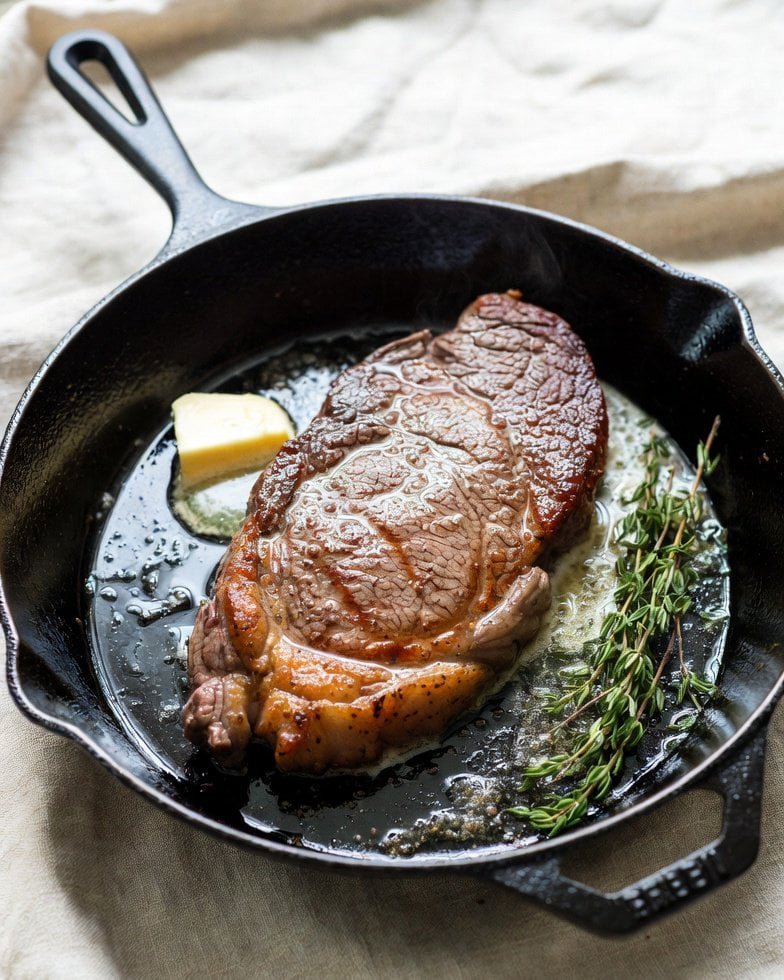

The Rule: Get Your Pan Screaming Hot
Starting with a hot pan is non-negotiable 90% of the time. Before anything touches the surface, your pan should be properly, seriously hot. Here’s the simplest test: flick a drop of water into the pan — it should dance around like a maniac. That tells you the metal is ready. Then, and only then, add your fat. Oil, butter, ghee, whatever you’re working with.
Why does this matter? High heat triggers the Maillard reaction — that beautiful browning that creates deep, roasty, caramelised flavour on the outside of your food while keeping the inside juicy. Without it, your steak steams. Your chicken turns grey. Your veg goes limp.
- Searing steaks, chicken, fish, or veg: You want browning on the outside, juicy on the inside. The Maillard reaction delivers deep, roasty, caramelised flavour while sealing in juices.
- Less steam, more flavour: Food stays juicier on the inside while getting colour and texture on the outside.
★ PRO TIP
Don’t Touch It. Patience = Perfection.
Once your food hits the hot pan, leave it alone. No poking, no prodding, no anxious flipping. Let it sit undisturbed for 2–4 minutes until it naturally releases from the surface. If it’s stuck, it’s not ready — the crust hasn’t formed yet. Forcing a flip too early tears the crust and leaves it stuck to your pan.
When to Start With a Cold Pan
Sometimes, starting hot is actually a disaster. Fatty cuts, delicate aromatics, and certain ingredients need a gentler approach. The slow ramp-up of a cold pan renders fat gradually, blooms flavours gently, and prevents scorching.
Hot Pan
High heat first, then add fat. For anything you want seared, browned, or caramelised.
- Steaks & chops
- Fish fillets
- Vegetables for char
- Seared scallops
Cold Pan
Start cold, ramp up slowly. For fat-rendering, delicate flavours, and crispy skin.
- Skin-on chicken thighs
- Bacon & lardons
- Nuts, seeds & spices
- Browning butter
Cold-Pan Essentials
Skin-on Chicken Thighs, Duck Breast, or Pork Belly
Place skin-side down in a cold pan — no oil needed if it’s fatty enough. Turn the heat to medium. The slow ramp-up renders out fat gradually for shatteringly crisp skin without burning the exterior before the inside cooks. Hot pan = greasy, chewy skin disaster. Cold pan = restaurant-level crackling. Pour off excess rendered fat as you go for extra-crispy results.
Bacon or Lardons / Pancetta
Always start cold. Fat renders evenly, the meat crisps without curling wildly or developing burnt spots. A hot pan throws fat everywhere and cooks unevenly.
Toasting Nuts, Seeds, or Whole Spices
Toss them into a cold dry pan over medium heat. Gentle warming brings out nutty, aromatic flavours evenly — no hot spots burning half the batch while the rest stays raw.
Browning Butter
A slow melt prevents butter from going from golden to black in seconds. You get that deep, nutty flavour safely.
Delicate Aromatics & Infusions
Garlic, herbs, or spices in oil — cold oil + cold pan lets flavours bloom slowly without bitterness from scorching.
Hungry for More?
Follow me on my food journey trying to spread joy. Receive new inspirational recipes every week.
By subscribing, you agree to Substack’s Terms. You can unsubscribe anytime.


Leave a Reply